Thinking about applying to graduate school? Wonder what it’s like to pursue a PhD or research-based master’s degree? Interested in understanding relationships between technology and society? Curious about how to do research on online communities like Reddit, Wikipedia, or GNU/Linux? The Community Data Science Collective is hosting a virtual Q&A session on Friday, October 2 at 12 pm PT / 2pm CT / 3pm ET for prospective students. This session is scheduled for an hour and will be divided between a larger group session with faculty and smaller groups with current graduate students. If you would like to attend, register at this link!
This post provides a very brief rundown on the CDSC, the different universities and PhD and research master’s programs our faculty members are affiliated with, and some general ideas about what we’re looking for when we review applications.
What is the Community Data Science Collective?
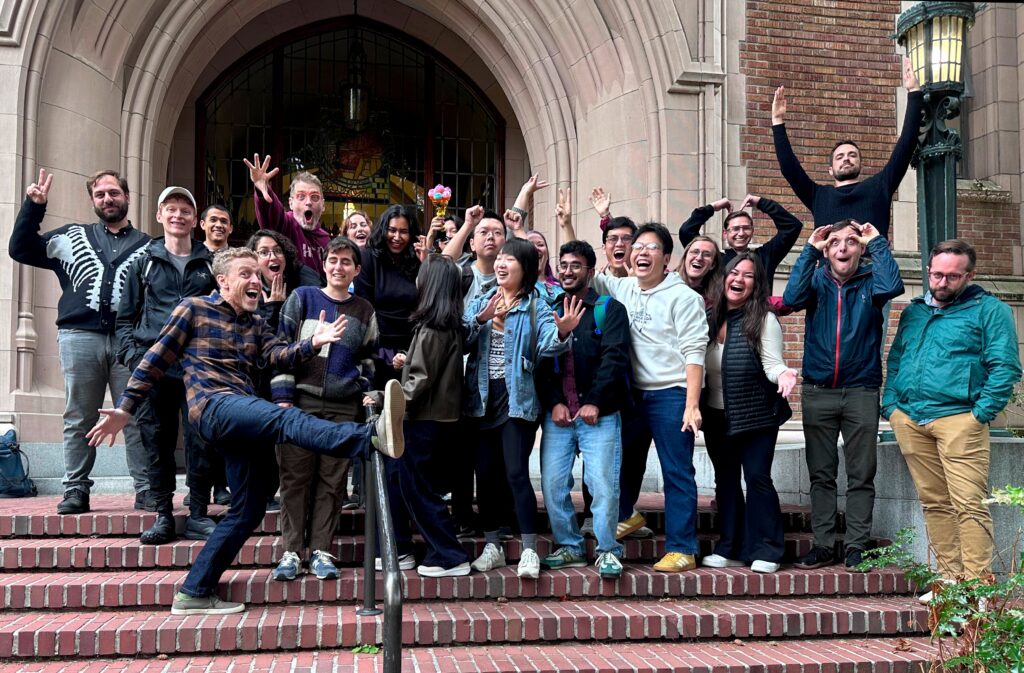
The Community Data Science Collective (or CDSC) is a joint research group of (mostly quantitative) empirical social scientists and designers pursuing research about the organization of online communities, peer production, and learning and collaboration in social computing systems. We are based at Northwestern University, the University of Washington-Seattle, University of Washington-Bothell, The University of Texas at Austin, Purdue University, and a few other places. You can read more about us and our work on our research group blog and on the collective’s website/wiki.
What are these different Ph.D. programs? Why would I choose one over the other?
This year the group includes multiple faculty principal investigators (PIs) who are actively recruiting graduate students: Kaylea Champion (University of Washington in Bothell), Nathan TeBlunthuis (University of Texas at Austin), Jeremy Foote (Purdue University), Benjamin Mako Hill (University of Washington in Seattle), Aaron Shaw (Northwestern University). Each of these PIs advises PhD and/or M.S. students in graduate programs at their respective universities. We also have one faculty PI who is not currently recruiting students, but is an active member of the group: Ryan Funkhouser (University of Idaho). Our programs are each described below.
Although we often work together on research and serve as co-advisors on students’ projects, each faculty member has specific areas of expertise and interests. The reasons you might choose to apply to one of these PhD or M.S. programs or to work with a specific faculty member could include factors like your previous training, career goals, and the alignment of your specific research interests with our respective skills.
At the same time, a great thing about the CDSC is that we all collaborate and regularly co-advise students across our campuses, so applying to or attending one program does not prevent you from accessing the expertise of our whole group. But please keep in mind that our different PhD and M.S. programs have different application deadlines, requirements, and procedures!
Faculty who are actively recruiting PhD Students this year
If you are interested in applying to any of the programs, we strongly encourage you to reach out to the specific faculty in that program before submitting an application.
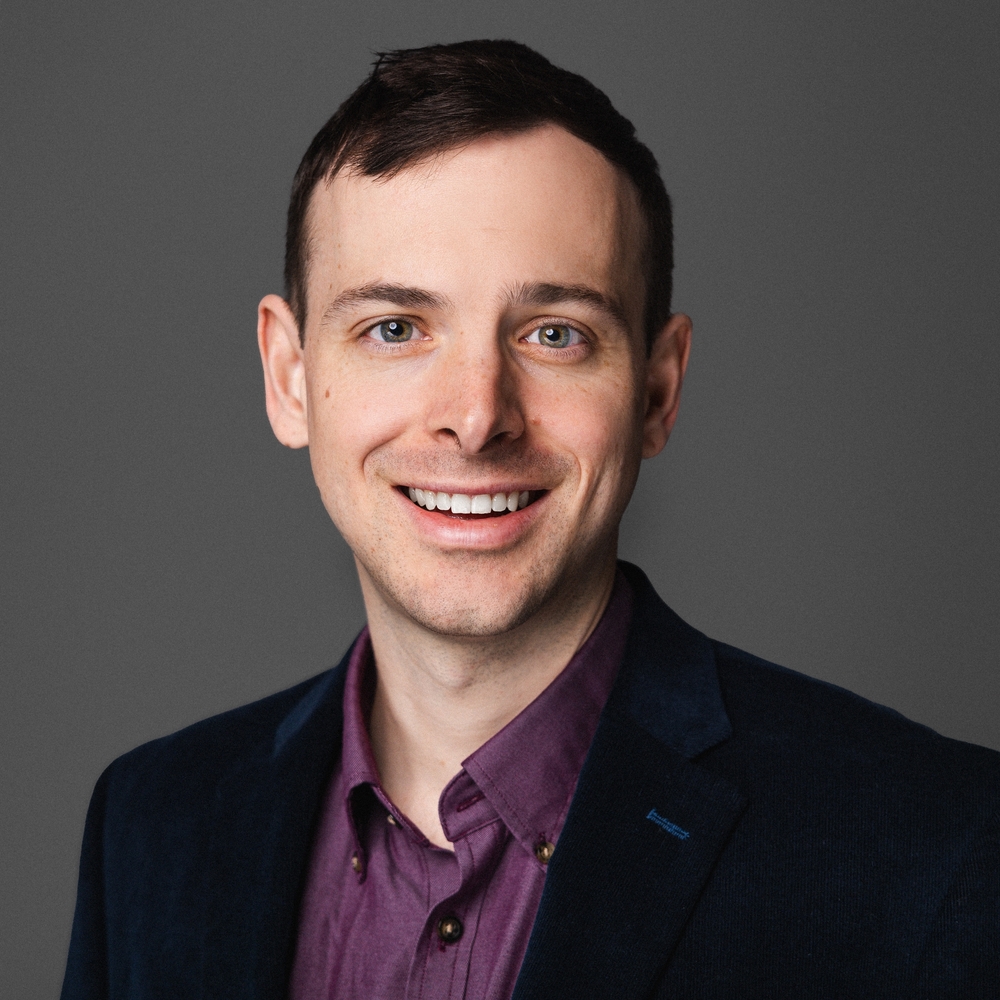
Nathan TeBlunthuis is an Assistant Professor in the School of Information at the University of Texas at Austin in the area of social informatics. Nathan’s research focuses on analyzing ecosystems of online communities, AI tools in peer production, and methods in computational social science. His current projects continue in these areas and also draw from them all to understand how information sources achieve legitimacy in online communities. He works primarily using computational tools and big data, but also grounds his work in qualitative evidence.
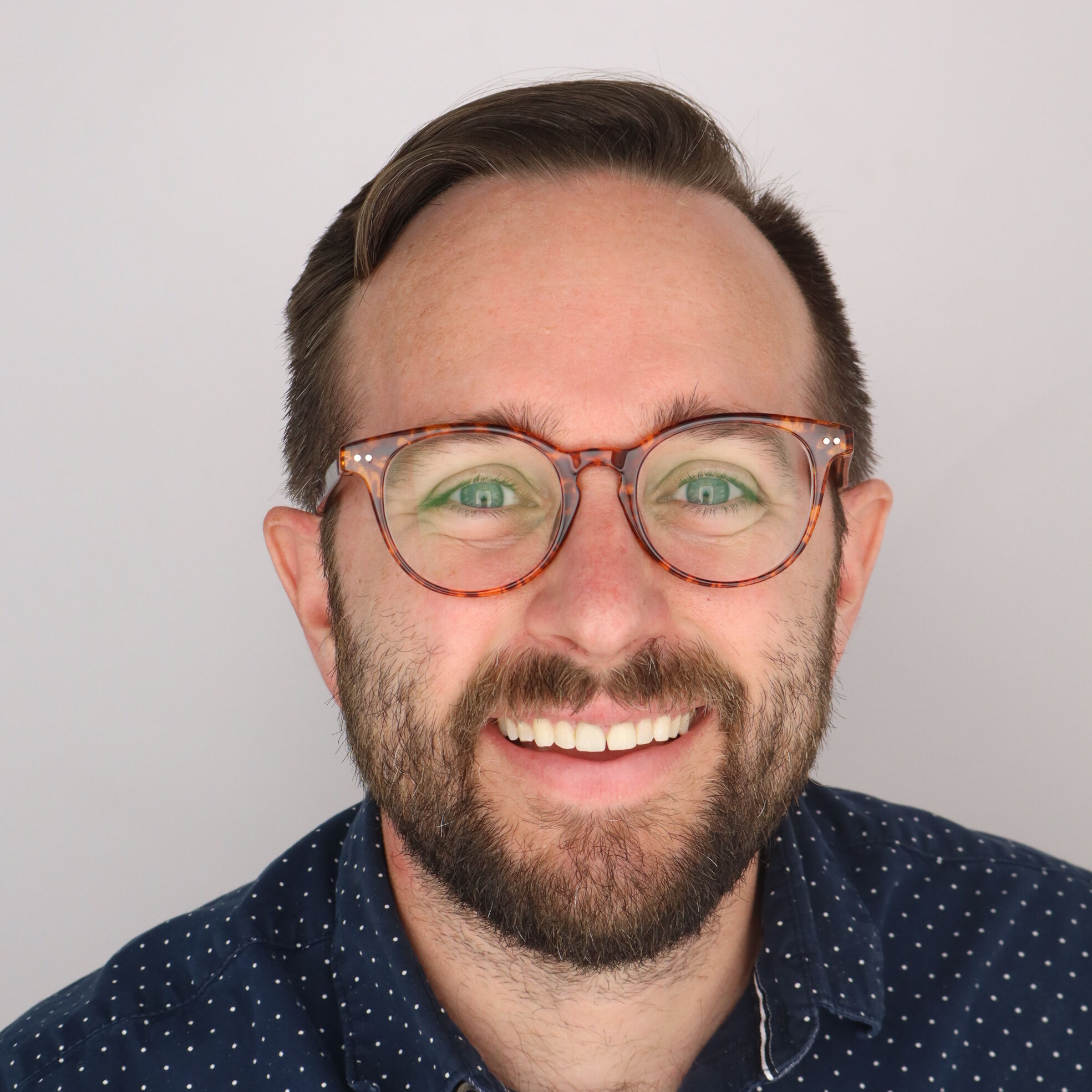
Jeremy Foote is an Assistant Professor at the Brian Lamb School of Communication at Purdue University. He is affiliated with the Organizational Communication and Media, Technology, and Society programs. Jeremy’s research focuses on how individuals decide when and in what ways to participate in online communities, how communities change the people who participate in them, and how both of those processes can help us to understand what people believe and which things become popular and influential. He and his students use multiple methods, including data science, agent-based modeling, field experiments, and interviews.
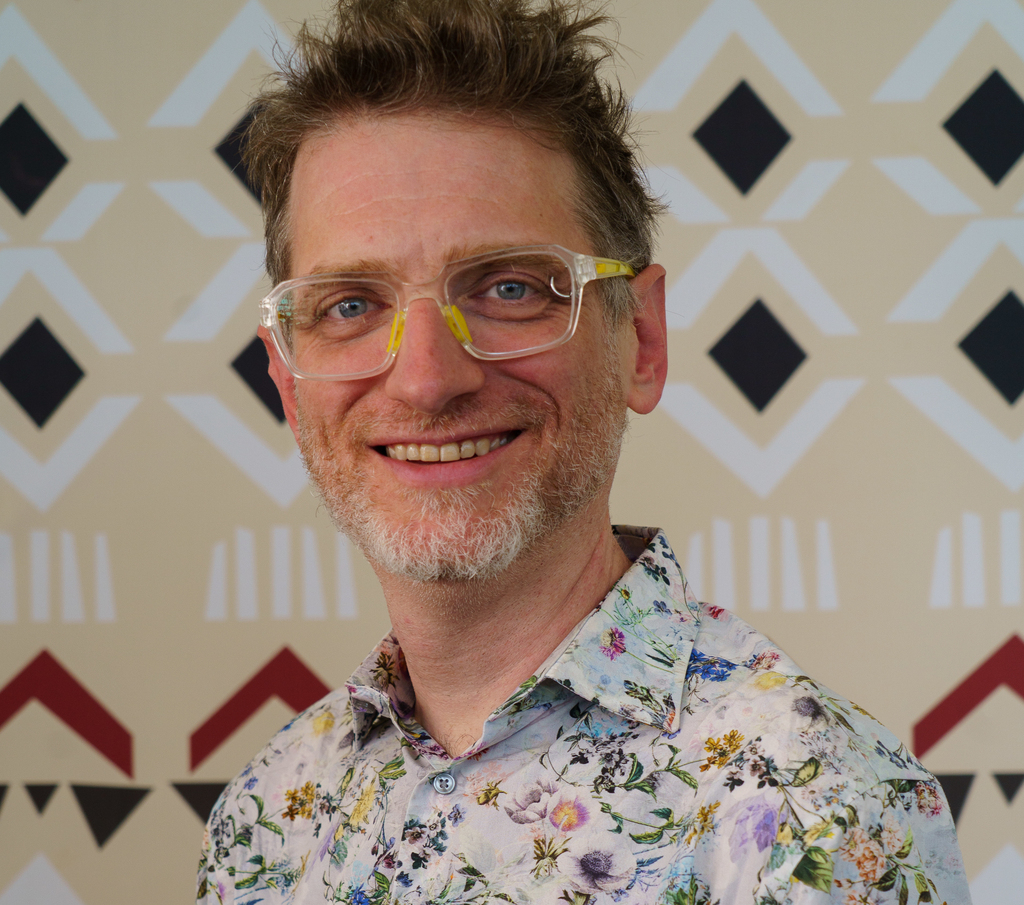

Benjamin Mako Hill is an Associate Professor of Communication at the University of Washington. He is also adjunct faculty at UW’s Department of Human-Centered Design and Engineering (HCDE), Computer Science and Engineering (CSE), and the Information School. Although many of Mako’s students are in the Department of Communication, he has also advised students in all three other departments—although he typically has more limited ability to admit students into those programs on his own and usually does so with a co-advisor in those departments. Mako’s research focuses on population-level studies of peer production projects, computational social science, efforts to democratize data science, and informal learning. Mako has also put together a webpage for prospective graduate students with some useful links and information.
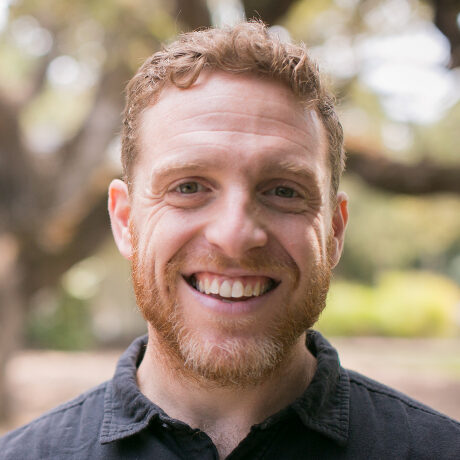
Aaron Shaw is a Professor in the Department of Communication Studies at Northwestern. In terms of PhD programs, Aaron’s primary affiliations are with the Media, Technology and Society (MTS) and the Technology and Social Behavior (TSB) Ph.D. programs (please note: the TSB program is a joint degree between Communication and Computer Science). Aaron also has a courtesy appointment in the Sociology Department at Northwestern, but he has not directly supervised any Ph.D. advisees in that department (yet). Aaron studies organizing, participation, and governance in online communities, especially ones that create public information resources and digital infrastructure. Aaron’s current projects focus on comparative analysis of the organization of peer production communities, online community governance, LLM-based social science, and AI’s impacts on digital public infrastructure.
Faculty who Supervise ADMITTED M.S. and B.S. Students
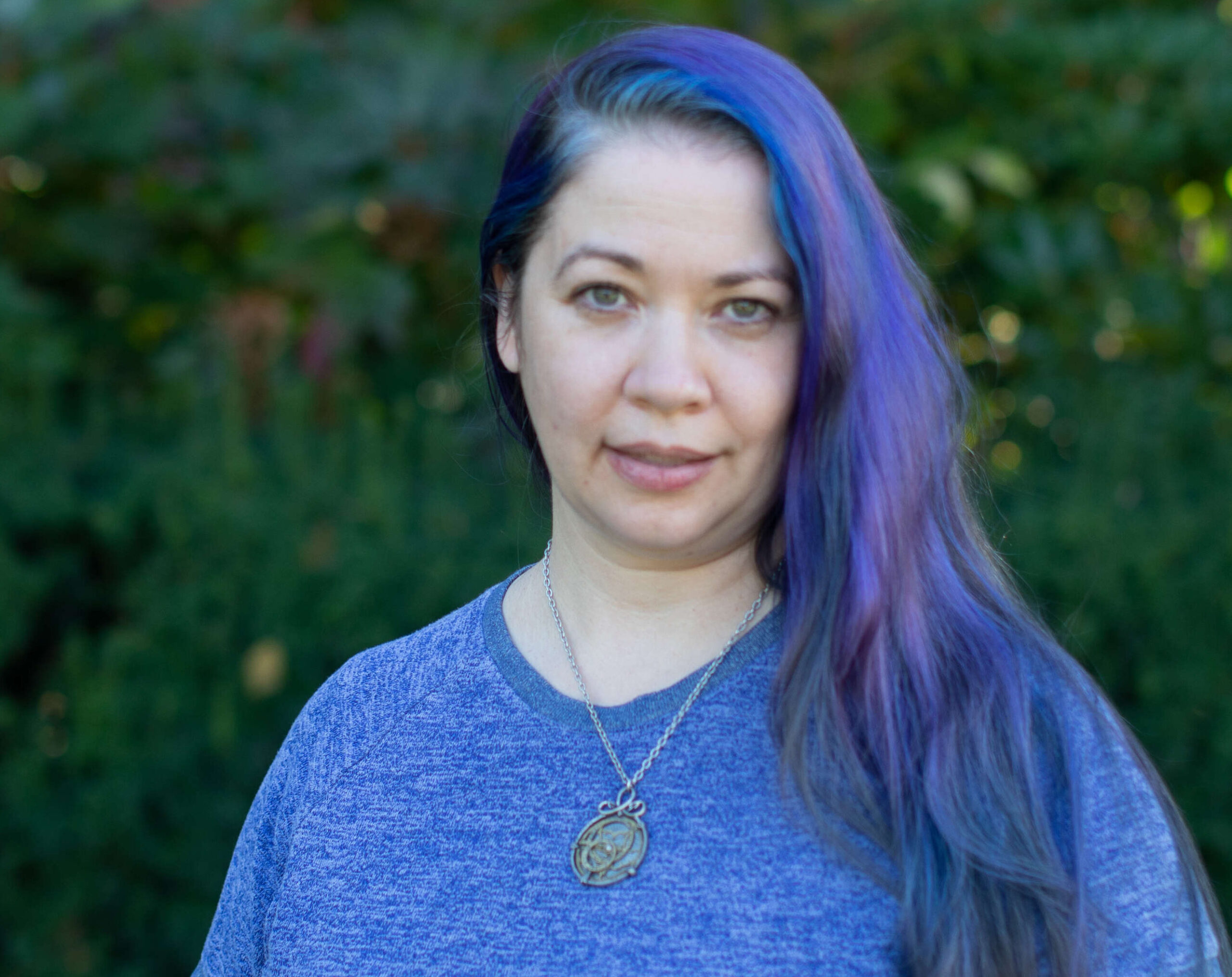
Kaylea Champion is an Assistant Professor in Computing & Software Systems at the University of Washington-Bothell. Kaylea’s research investigates how people collaborate to build digital infrastructure, including operating systems, programming languages, and information repositories. What gets made and maintained and secured—and what gets neglected? What risks do we face (including from AI and cybercriminals)? What practices lead to better outcomes? How can we work smarter and what can we stop doing? Kaylea’s work seeks to bridge the divide between research and practice, which for her means building relationships with practitioner communities, organizations, and industry to directly share research findings. If you are interested in the Computing & Software Systems graduate programs at the University of Washington – Bothell, you should register for one of the information sessions specific to these programs as well. Kaylea’s department only admits M.S. and B.S. students (MS-Cybersecurity and MS-Computer Science and Software Engineering). In addition, she is happy to support any students who are working with others in the CDSC and can serve on thesis and dissertation committees.
Other Faculty members of the CDSC
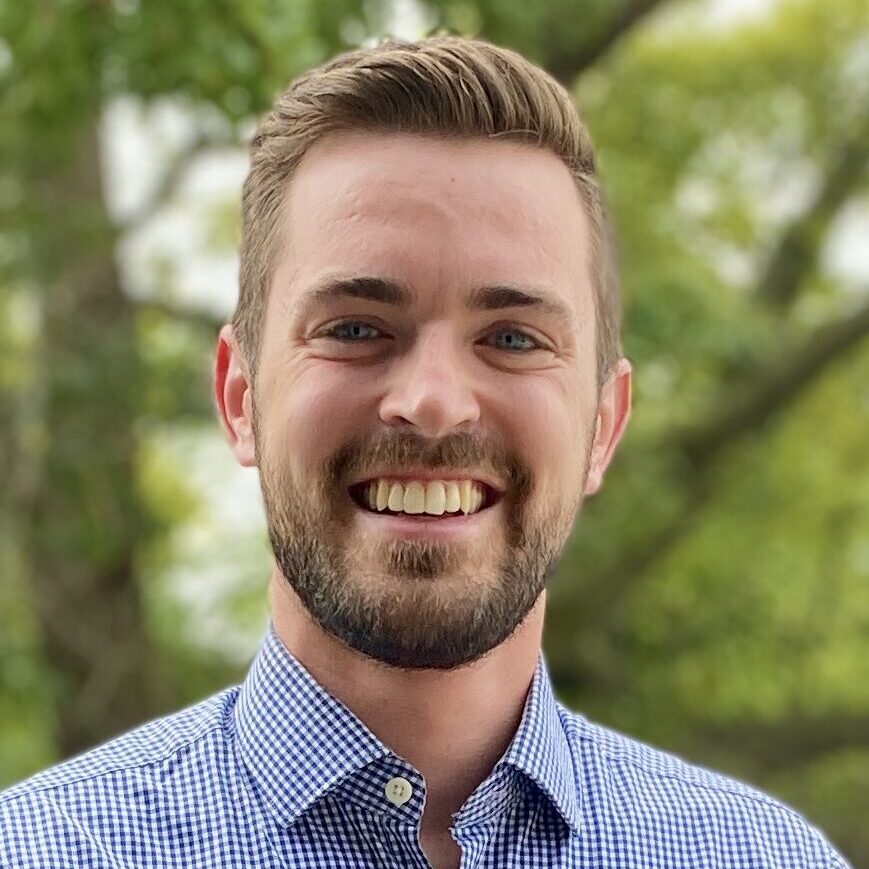
Ryan Funkhouser is an Assistant Professor in the Department of Psychology and Communication at the University of Idaho. Ryan’s research focuses on communication processes for bridging ideological divides in online spaces. His work includes explorations of deliberation-focused online communities, the role of narrative in persuasion, and the mechanisms of belief change. Ryan utilizes both computational and qualitative methods to explore text data, primarily from online sources.
What do you look for in PhD applicants?
There’s no easy or singular answer to this. In general, we look for curious, intelligent people driven to develop original research projects that advance scientific and practical understanding of topics that intersect with any of our collective research interests.
To get an idea of the interests and experiences present in the group, read our respective bios and CVs (follow the links above to our personal websites). Specific skills we regularly use include consuming and producing social science and/or social computing (human-computer interaction) research; applied statistics and statistical computing; various empirical research methods; social theory and cultural studies; and more.
Formal qualifications that speak to similar skills and show up in your resume, transcripts, or work history are great, but we are much more interested in your capacity to learn, think, write, analyze, and/or code effectively than in your credentials, test scores, grades, or previous affiliations. It’s graduate school, after all, and we do not expect you to show up knowing how to do all the things already.
Intellectual creativity, persistence, and a willingness to acquire new skills and problem-solving matter a lot. We think doctoral education is less about executing tasks someone else hands you and more about learning to identify a new, important problem; develop an appropriate approach to solving it; and explain all of the above and why it matters so others can learn from you in the future. Evidence that you can or at least want to do these things is critical. Indications that you can also play well with others and would make a generous, friendly colleague are really important too.
All of this is to say, we do not have any one trait or skill set we look for in prospective students. We strive to be inclusive along every possible dimension. Each person who has joined our group has contributed unique skills and experiences, as well as personal interests. We want our future students and colleagues to do the same.
Now what?
Still not sure whether or how your interests might fit with the group? Still have questions? Still reading and just don’t want to stop? Follow the links above for more information. Feel free to email at least one of us. We are happy to answer your questions and always eager to chat.
Discover more from Community Data Science Collective
Subscribe to get the latest posts sent to your email.